


In 2026, your dealership’s website is more than a digital brochure; it’s your always-open showroom and the first point of contact for most buyers. With the majority of car shoppers starting their journey online, your site must deliver a high-performing experience that informs, engages, and converts.
This guide outlines the must-have features for an effective automotive website in 2026.
1. Mobile-First Design and Fast Performance
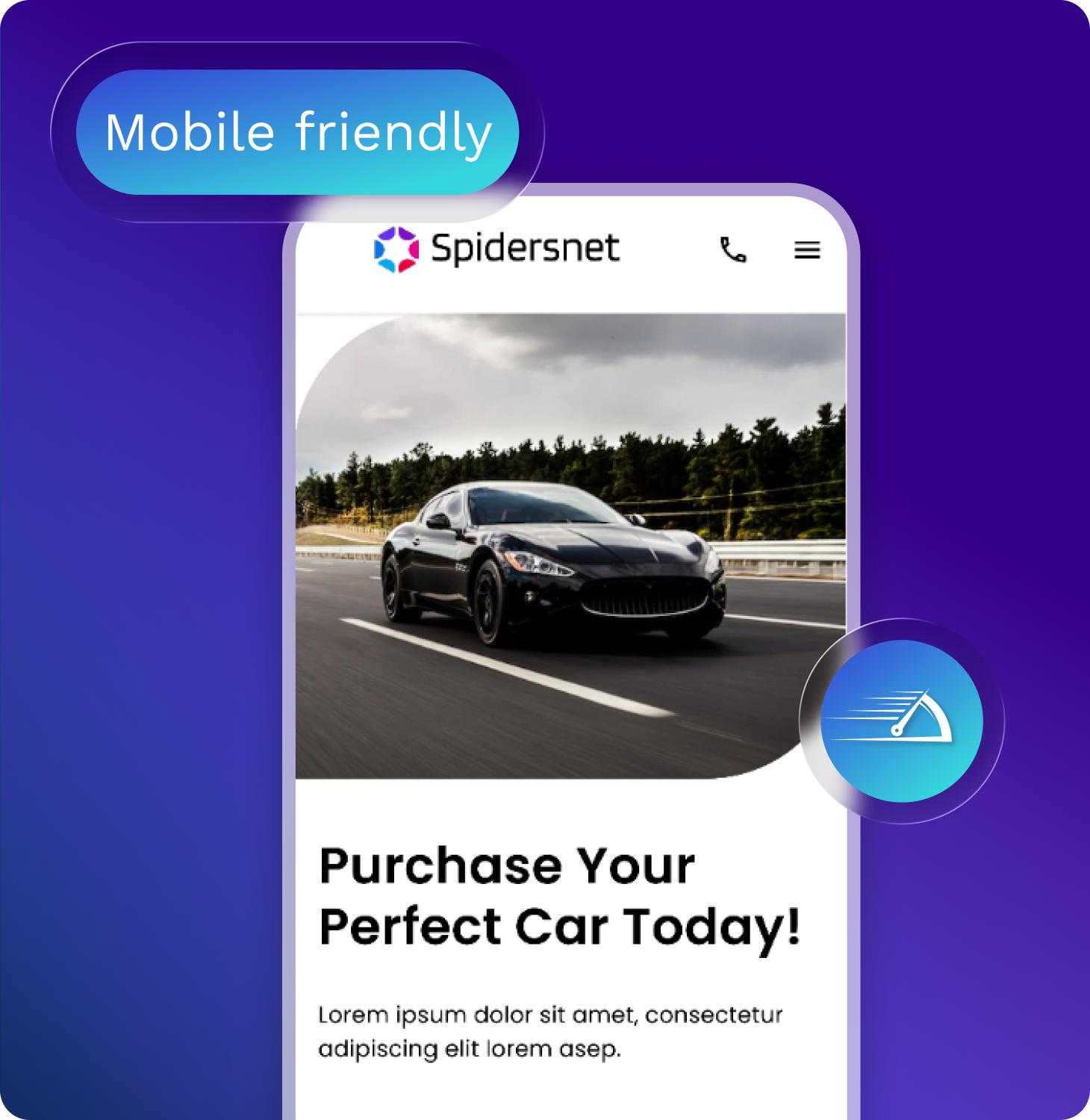
A responsive, mobile-friendly, and fast-loading website is non-negotiable. Over half of automotive research now takes place on mobile devices. Your site must adapt seamlessly to any screen size. A laggy or clunky experience will drive users away.
Ensure your layout automatically adjusts for mobile screens, keeping menus, images, and text easy to read and navigate. Speed is critical. Optimise images, streamline code, and follow Core Web Vitals best practices. Secure your site with SSL (HTTPS) and ensure stable uptime. A mobile-first, high-speed website improves user experience and can boost SEO rankings.
2. Intuitive Navigation and Inventory Search
If visitors can’t find what they need quickly, they will leave. Your navigation should be simple, logical, and keep important pages within one or two clicks of the homepage. Use clear sections like New Cars, Used Cars, Service, Finance, and Contact. Sticky headers keep essential links and phone numbers visible while scrolling.
A powerful, easy-to-use search tool is essential. Let users filter inventory by make, model, year, price, body style, mileage, and more. Use sliders and checkboxes for intuitive filtering.
Real-time inventory syncing with your DMS ensures accurate listings and a better user experience.
3. Custom Branding and Professional Design
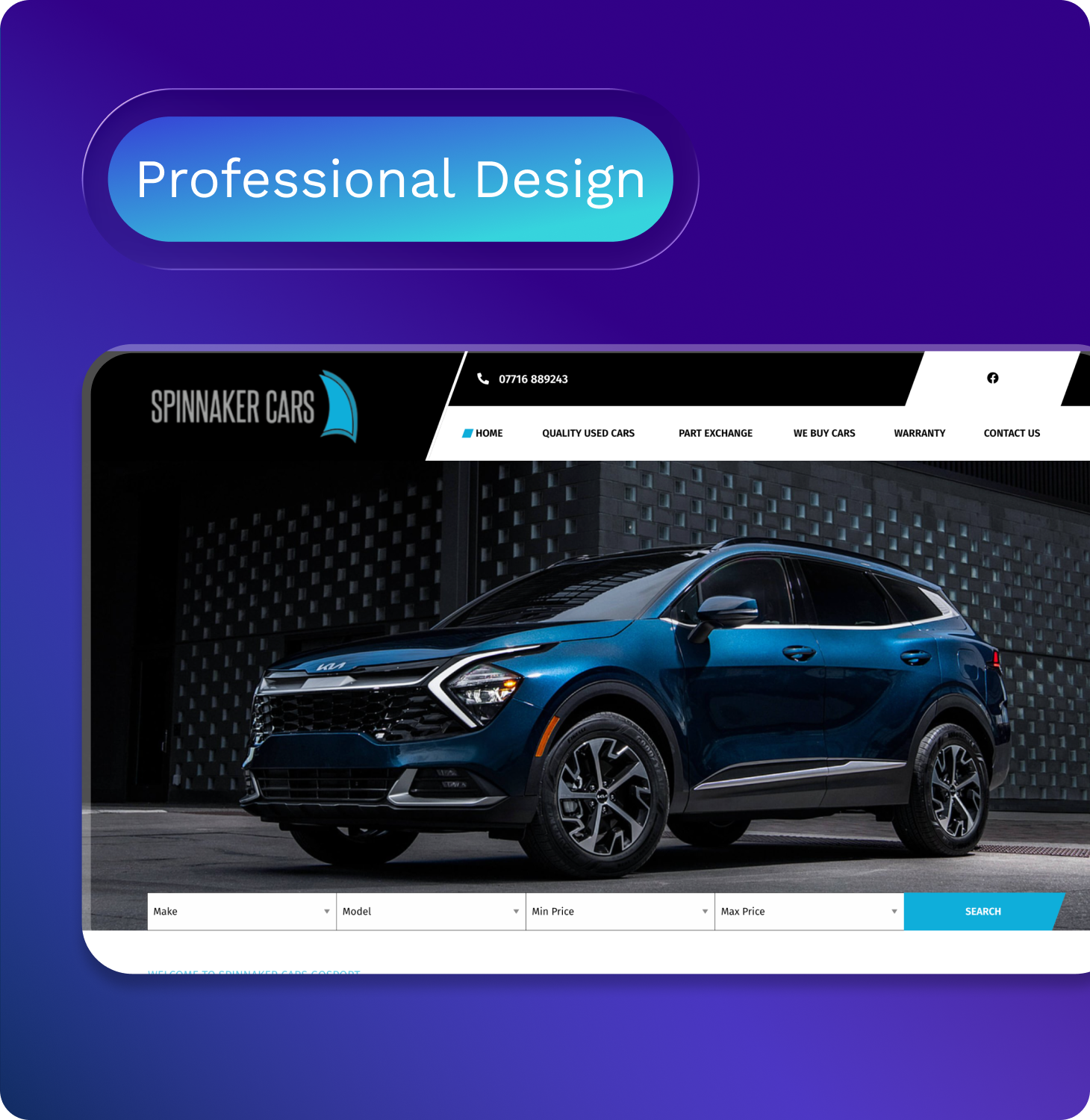
Your website should reflect your dealership’s identity. Go beyond templates by using your own colour schemes, logos, and imagery to create a unique, recognisable look. A clean, professional design builds trust.
Avoid clutter. Use high-quality graphics and concise headlines to highlight your strengths, like large inventory or award-winning service. Ensure your contact info is visible on every page, ideally in the header or footer. A polished design builds credibility and distinguishes you from generic competitors.
4. Rich Vehicle Media (Photos, Videos, 360° Tours)
Shoppers rely on visuals. Every vehicle listing should have a gallery of clear, high-resolution photos covering all angles and features. Poor-quality images undermine confidence and hurt engagement.
Enhance listings with short video walkarounds and, where possible, 360° spin images or interior tours. These interactive elements give users a more immersive experience. Use visually striking hero banners on the homepage but optimise them for speed. Rich media increases engagement and encourages leads.
5. Strong Calls-to-Action and Simple Lead Forms
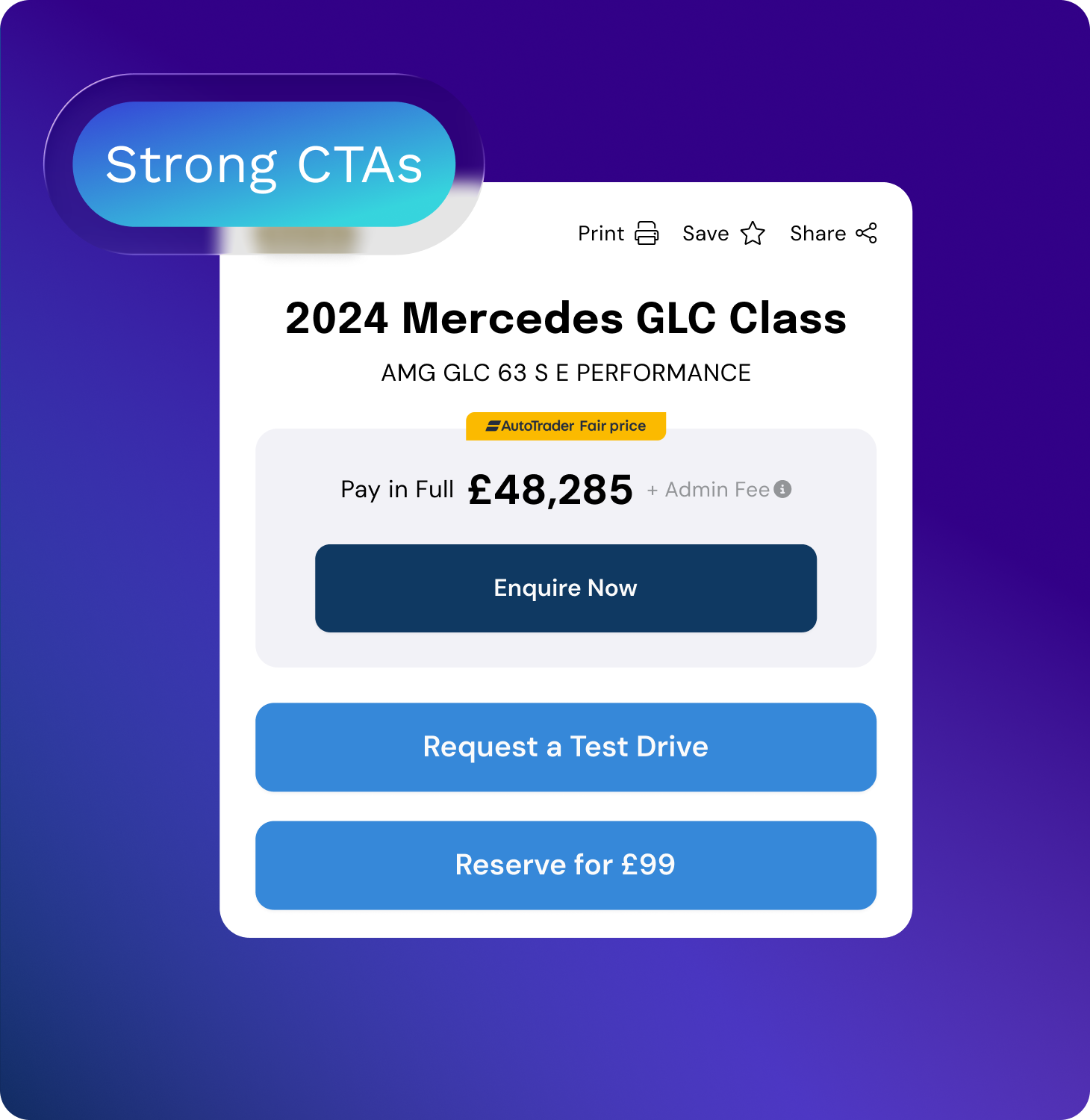
Every key page should have a clear next step, such as “Enquire Now,” “Book a Test Drive,” or “Apply for Financing.” CTAs should stand out using contrasting colours and logical placement near important content, like vehicle titles or pricing.
Keep lead forms short and to the point; name, contact details, and a message box are enough. Long forms deter users. Ensure contact options are easy to find on every page. Clickable phone numbers and map links enhance mobile usability. Make it simple for users to act when interest peaks.
6. Live Chat and AI Chatbots
Live chat and AI bots offer instant support and capture leads in real time. These tools engage users at their highest point of interest, whether answering questions or booking test drives.
AI chatbots can handle FAQs, financing estimates, appointment scheduling, and more. Many can escalate chats to live agents when needed. Make the chat widget visible but not intrusive, and use friendly, on-brand greetings. Around-the-clock support increases engagement and lead capture.
7. Digital Retailing Tools (Financing, Trade-In, Scheduling)
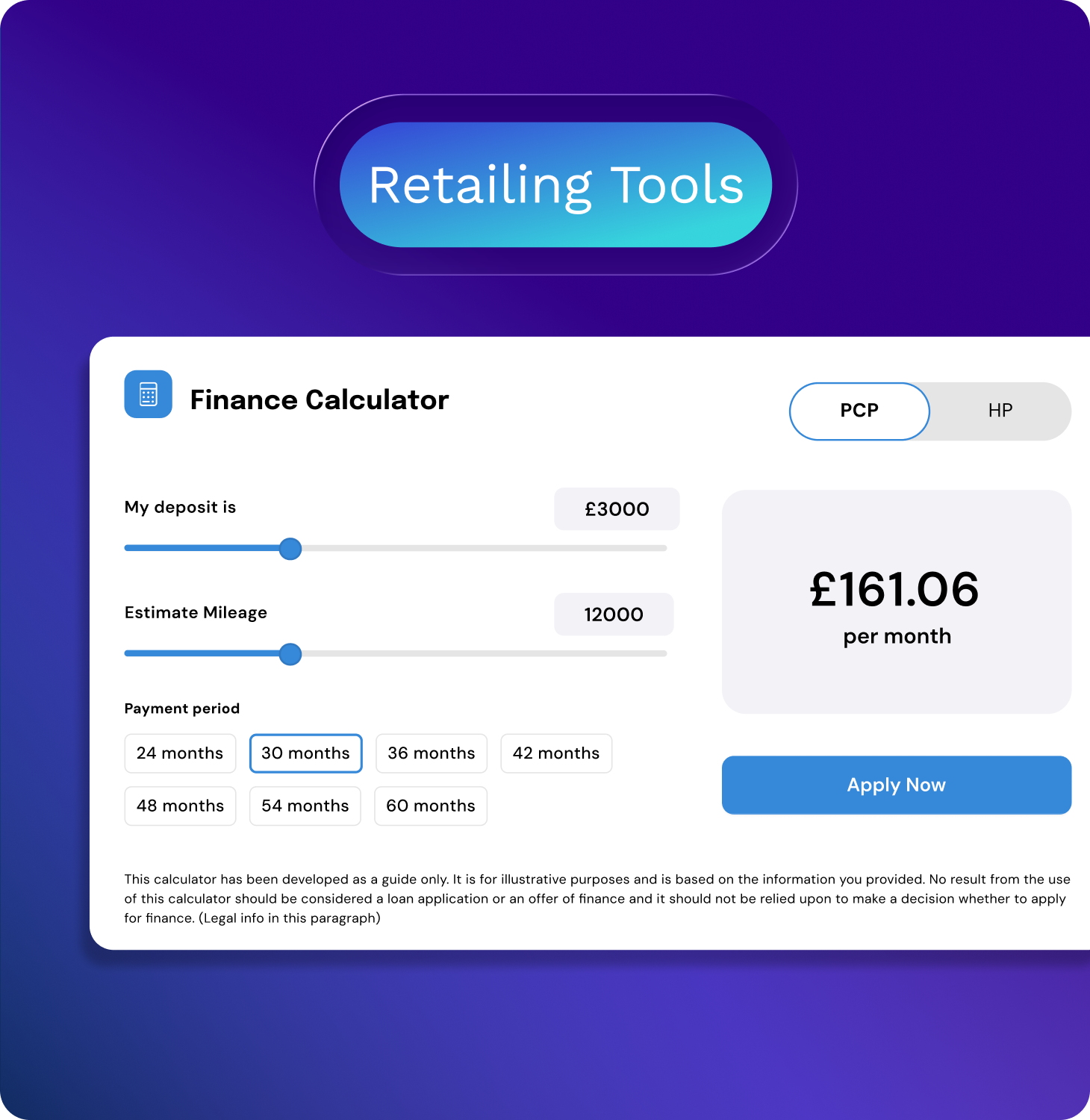
Today’s buyers want to take more steps online. Offer tools that allow them to calculate payments, apply for financing, get trade-in estimates, and book appointments.
Interactive finance calculators and pre-approval forms keep users engaged and provide strong buying signals. Trade-in tools turn casual browsers into leads. Online schedulers for test drives or service appointments reduce friction and align with customer expectations. These features save time and convert interest into action.
8. Customer Reviews and Social Proo
Trust is crucial online. Highlight positive customer experiences through testimonials, embedded Google reviews, or scrolling review feeds. Specific, real reviews build credibility.
Include awards and certifications as visual trust signals. Encourage new reviews regularly. Fresh, authentic feedback reassures visitors and strengthens your online reputation.
9. SEO-Optimised Content and Local Visibility
A great website is ineffective if no one finds it. Use SEO best practices and local optimisation to draw in nearby buyers. Include unique content on key pages and maintain a regularly updated blog with useful articles.
Ensure your name, address, and phone number (NAP) are consistent across your site and Google listings. Use schema markup for your inventory. Optimise page titles and meta descriptions. A well-structured, content-rich, mobile-friendly website performs better in local search results.
10. System Integration and Omnichannel Experience
Your website should connect with your DMS, CRM, and third-party platforms to keep data consistent and current. Inventory changes should sync automatically. Leads from forms and chat should feed into your CRM for fast follow-up.
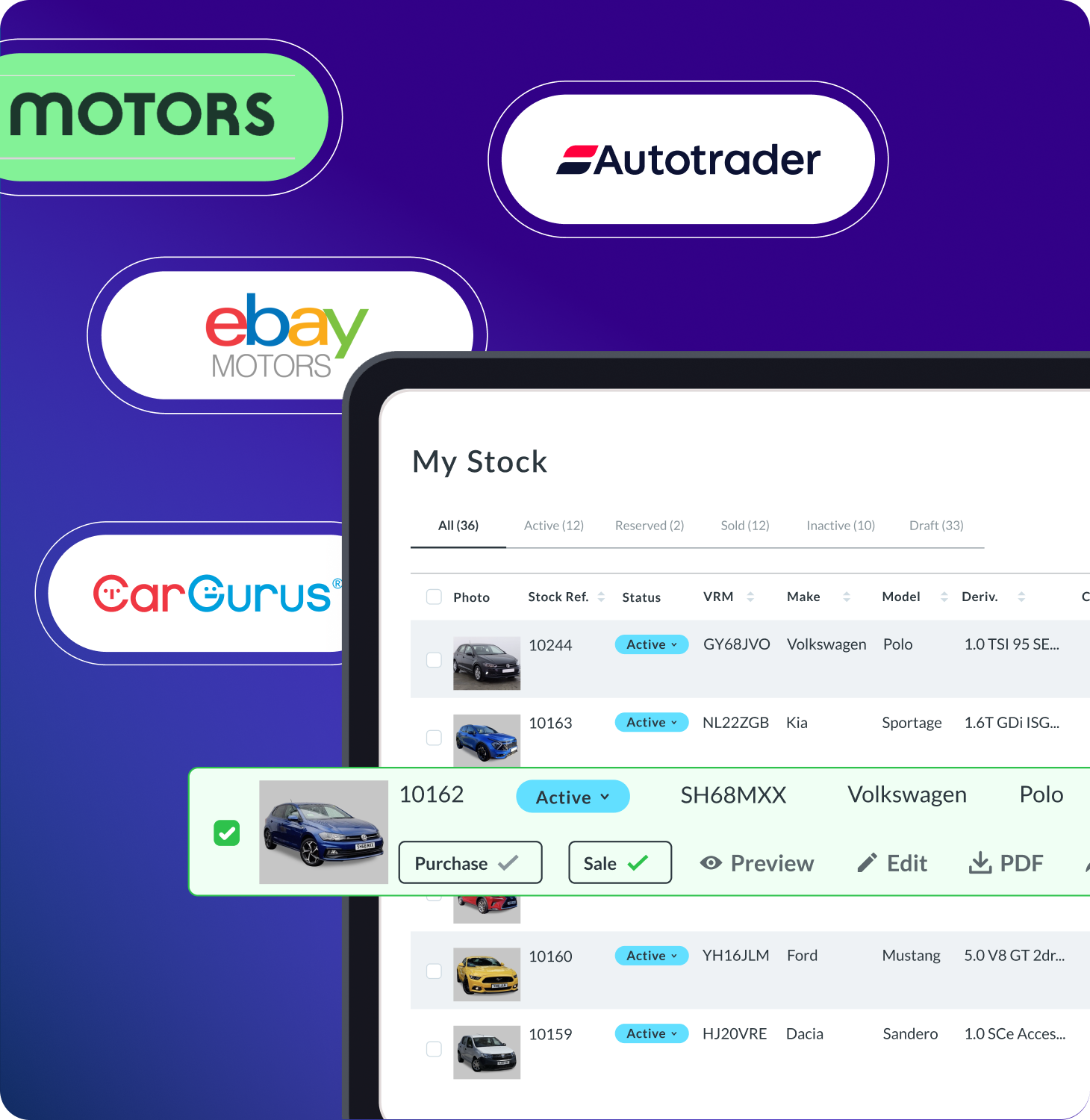
Syndicate listings to third-party sites and link to your digital ad platforms for dynamic, personalised campaigns. Integrated systems support an omnichannel experience, recognising users across touchpoints and enabling personalised follow-up. This seamless flow improves customer satisfaction and sales efficiency.
11. Security, Privacy, and Accessibility
Trust also depends on secure, private, and inclusive experiences. Use HTTPS, strong hosting, and clear privacy policies. Get proper user consent for data collection and ensure any forms handling sensitive data are secure.
Make your site accessible by adding alt text to images, ensuring strong colour contrast, and allowing keyboard navigation. Follow WCAG guidelines and consider accessibility tools like font-size toggles. Regularly test and monitor your site to maintain compliance, security, and performance.
Your website is your digital front door. In 2026, it must perform flawlessly to stand out in a competitive market. A fast, mobile-optimised site with intuitive tools and a trustworthy design will help you attract, engage, and convert more visitors. Review your current setup and upgrade as needed… your future customers are already browsing.