Building trust is critical in the car sales industry. Nearly half of a consumer’s decision to recommend or return to a dealership hinges on trust. Given the longstanding skepticism toward dealerships and salespeople, establishing trust directly influences whether a customer chooses your business or a competitor. The reward is clear: trust brings repeat customers and valuable referrals.
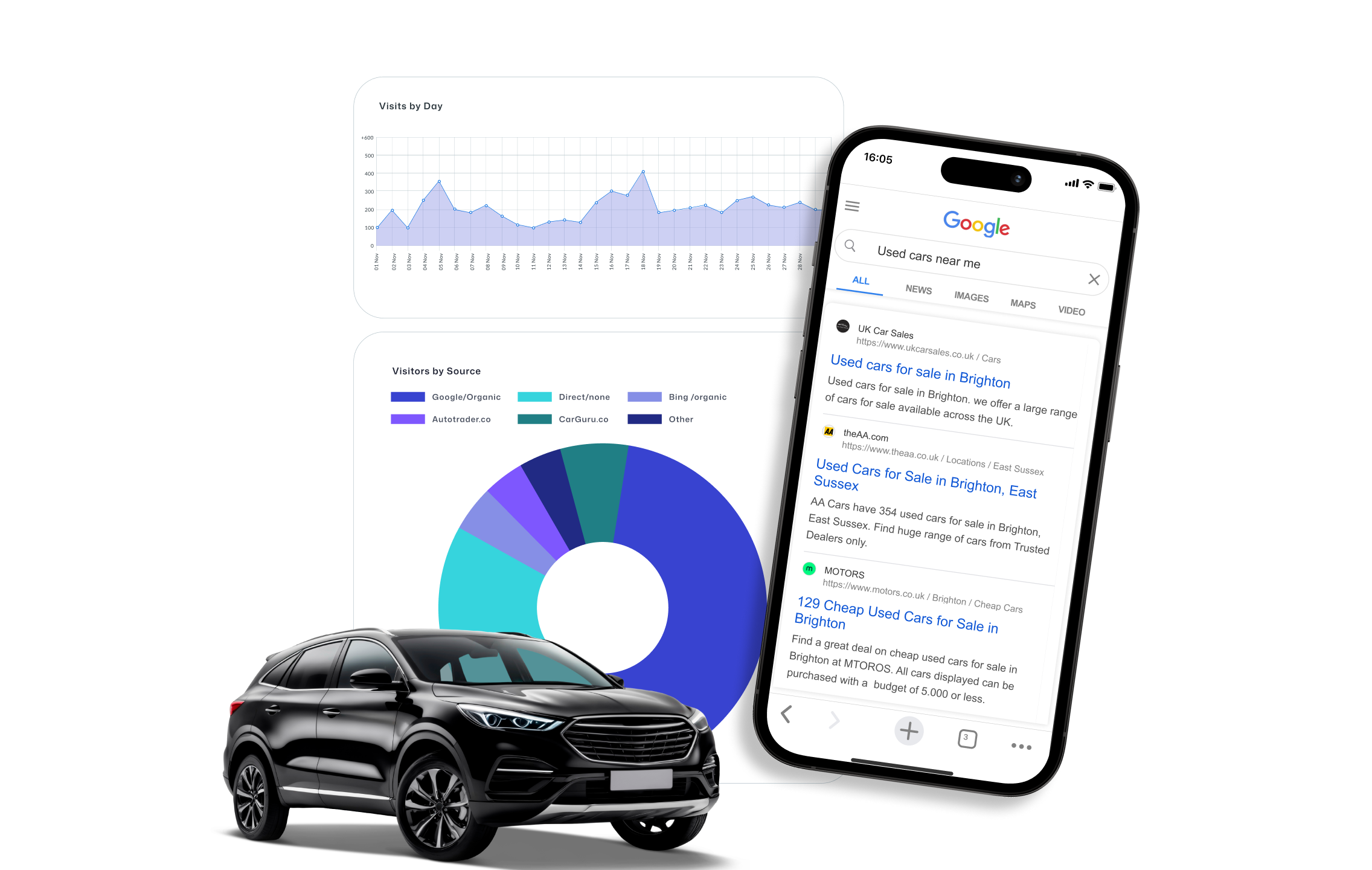
Today, trust-building often starts online. A Cox Automotive study found that 86% of car shoppers research vehicles online before visiting a dealership. Your website is no longer just a digital showroom, it’s a key trust-building tool. This guide outlines how to make your dealership website inspire confidence at every step.
Clear Contact and Location Information
Easy-to-find contact details are one of the most basic yet important trust signals. Visitors need to see that your dealership is real and reachable. Hidden or missing contact info creates doubt.
- Show your phone number and address on every page, ideally in the header or footer. On mobile, use click-to-call links.
- Offer multiple contact methods; phone, email, forms, or messaging apps like WhatsApp. Include social media options for those who prefer them.
- Embed a Google Map and clearly list business hours, including notes for holidays or service-specific times.
Making it easy to reach you shows transparency and readiness to help.
Professional, User-Friendly Website Design
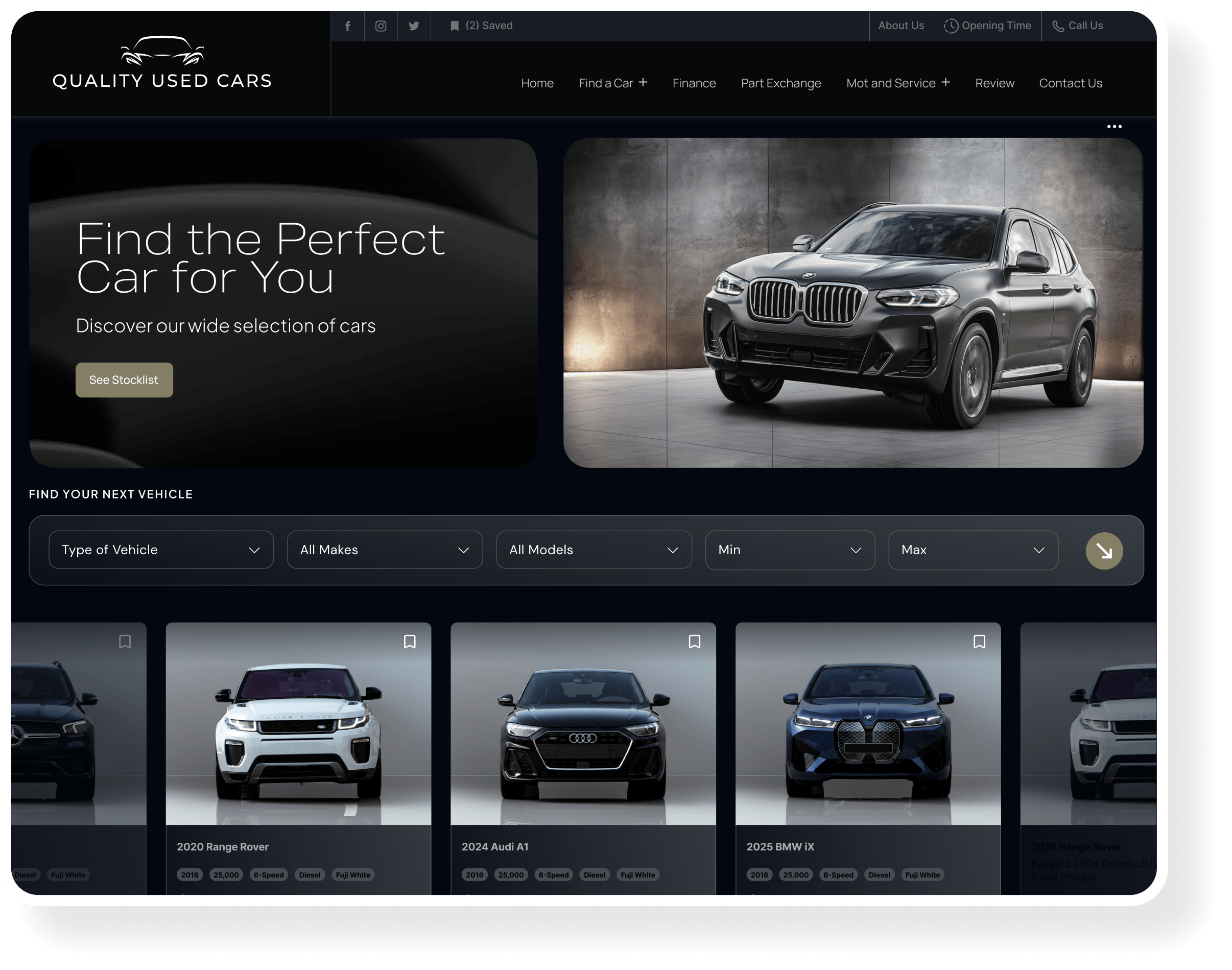
Your website’s design shapes first impressions. A modern, intuitive layout signals credibility, while a cluttered or outdated site does the opposite. Ensure the site is easy to navigate, with clear menus, inventory search functions, and well-organised listings.
Navigation, visuals, and information quality help visitors decide if they’ll find a car they want. A confusing or slow site raises concerns about your professionalism.
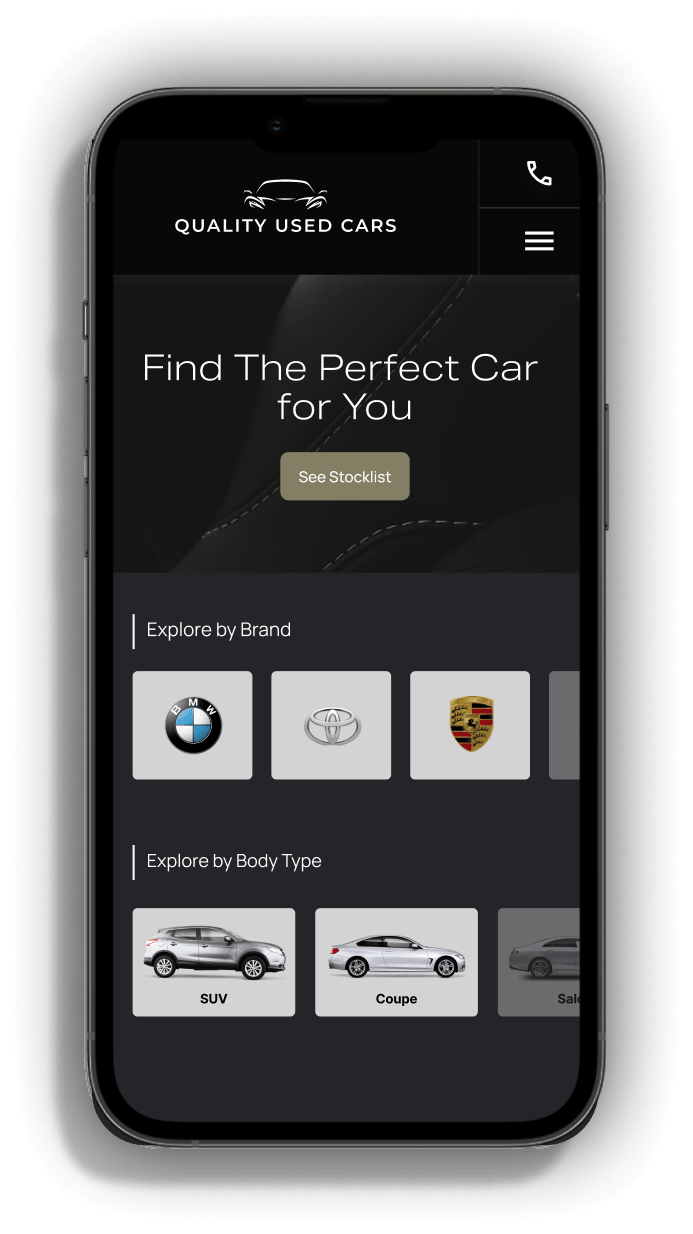
Optimise for mobile. Many buyers browse on phones, and a site that doesn’t work well on mobile can signal neglect. Also, prioritise fast load times by compressing images and refining code. Aim for under 3 seconds on the homepage.
Use consistent branding throughout; logo, colours, and tone, to reinforce professionalism. The homepage especially should highlight your strengths with a bold headline and high-quality hero image. Make a strong, confident first impression.
Accurate, Up-to-Date Information
Few things hurt trust like inaccurate or outdated information. Shoppers lose confidence fast if a listed vehicle was sold days ago or if pricing has changed without notice.
Sync your website with your dealership management system (DMS) to keep inventory and pricing current. Regularly review listings, promotions, contact info, business hours, and staff bios. Even small oversights like an expired sale banner or outdated contact person can raise doubts.
Maintain a blog or news section to show you’re active and engaged. Fresh content signals a real, attentive business.
Secure and Transparent Data Practices
Customers are rightfully cautious about sharing personal information online. A trustworthy website must show it protects that data.
- Use HTTPS with a valid SSL certificate to encrypt data and signal security.
- Publish a clear privacy policy explaining what data you collect and how it’s used.
- Follow regulations like GDPR, and display any relevant compliance badges.
- Secure your backend; use reputable third-party tools, update plugins, and install firewalls.
- Let users control how their data is used. Offer opt-outs and explain why you collect information.
Trust badges (like SSL encryption icons or ISO certifications) can reassure visitors visually.
Transparent Pricing
Pricing is a major area of concern for car buyers. Many expect hidden fees or surprise charges. Defy that expectation with total transparency.
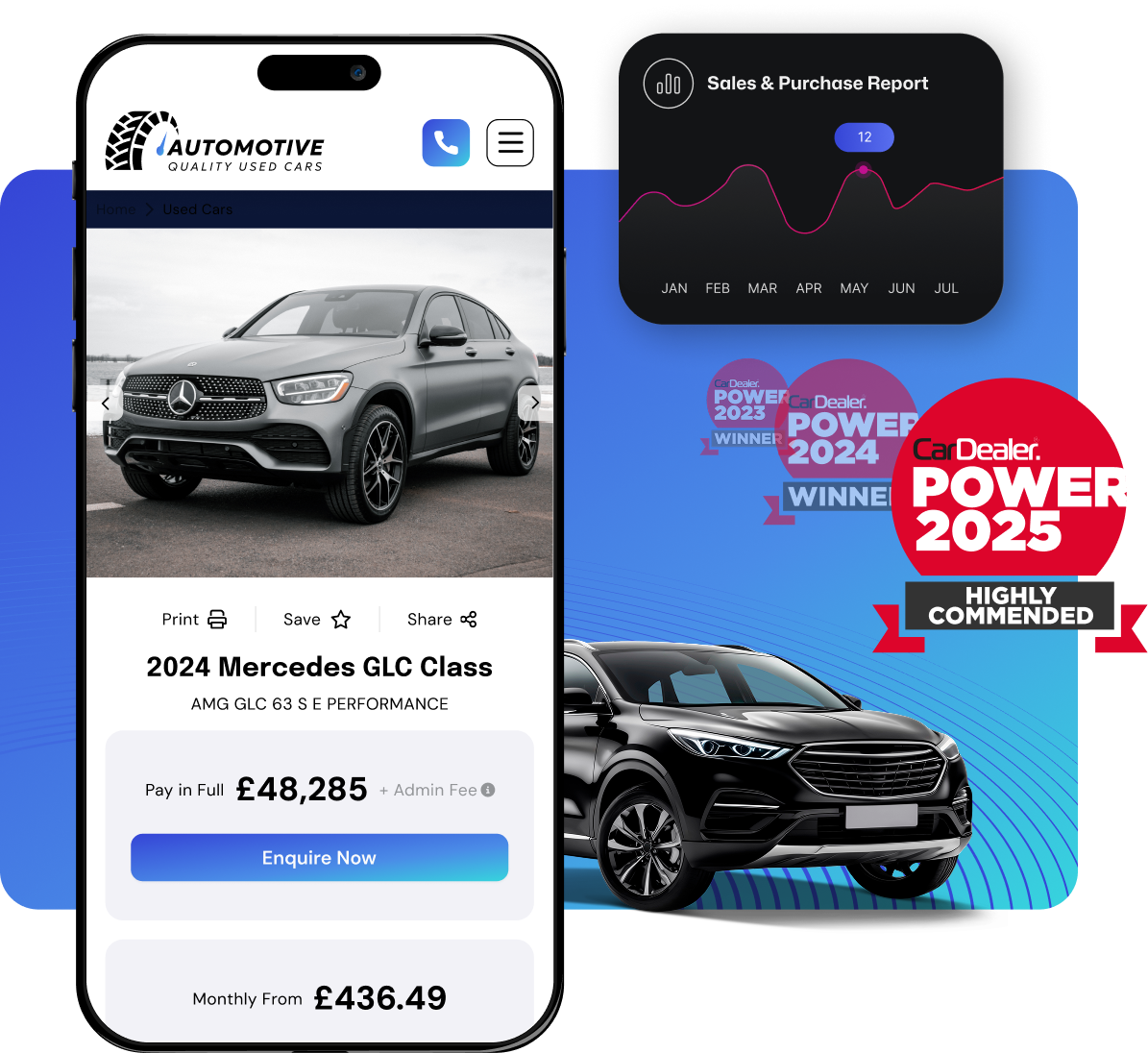
- Show the full price upfront, including VAT, registration, and prep fees.
- Clearly explain any extra costs, such as delivery or admin fees.
- Offer detailed breakdowns on vehicle pages, especially when optional add-ons are involved.
- Consider a Best Price or Price Match guarantee to show fairness.
84% of consumers say dealerships lack transparency. If you lead with honest pricing, you stand out.
Clear Financing Information
Financing is complex and often misunderstood. Simplify and clarify it on your site.
- List all finance terms: APR, deposit, loan term, monthly payment, and total cost.
- Disclose whether financing is in-house or via a third party.
- If FCA-authorised, show your credentials.
- Include a finance calculator so users can test different scenarios.
- Spell out conditions for finance deals and offers.
Empowering users with clarity and tools builds trust and makes the process less intimidating.
Vehicle History and Condition Transparency
Used car buyers often fear hidden issues. Address this head-on with full transparency.
- List registration year, mileage, previous owners, service history, and MOT records.
- Include accident or repair history if available.
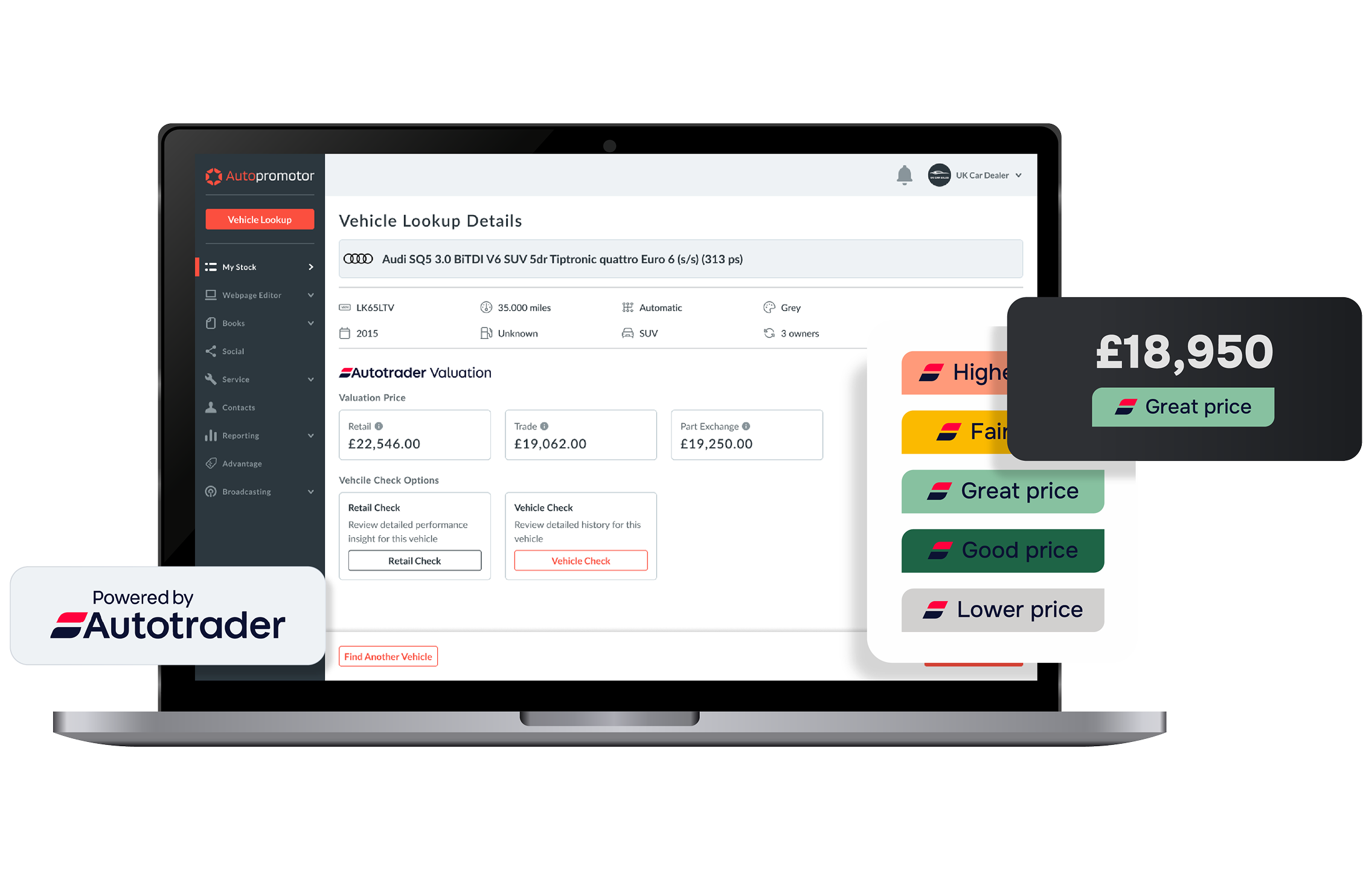
- Offer official history reports or note that one is available.
- Show inspection reports or reconditioning work done.
- Be honest about minor flaws. Mention scratches or wear in both text and photos.
Transparency makes vehicles feel safer to buy and shows you’re upfront.
Warranty and Return Policies
Buyers want to know what happens if something goes wrong. Provide reassurance with clear post-sale policies.
- Promote return or exchange policies prominently. Highlight any 14-day return guarantees.
- Detail warranty terms clearly, especially for used cars. State what’s covered and for how long.
- Mention extras like free servicing, MOTs, or roadside assistance.
Spelling out protections shows you’re not just chasing the sale, but supporting customers afterward.
Customer Reviews and Testimonials
Real feedback is powerful. Show that others trust you.
- Display reviews from platforms like Google, AutoTrader, or Trustpilot.
- Embed review widgets or feature testimonials across your site.
- Prompt customers for reviews after purchase.
- Respond to all reviews, especially negative ones, with professionalism and care.
- Consider video testimonials or short case studies for added credibility.
Customers trust other customers. Use their voices to your advantage.
High-Quality Photos and Videos
Visuals build confidence. Don’t cut corners here.
- Use many high-resolution images per vehicle, covering all angles.
- Include close-ups of any imperfections to show you’re not hiding anything.
- Add video walkarounds, engine start clips, or personal introductions.
- Use 360-degree tours if available.
The more a buyer can “see” the car online, the more they trust what they’re getting.
Introduce Your Team and Story
People trust people. Humanise your dealership.
- Add a “Meet the Team” section with photos and bios.
- Highlight experience, roles, and even a few personal touches.
- Share your dealership story: how you started, what you value, and what sets you apart.
Showing the people behind the business makes your site more relatable and builds a connection.
Showcase Accreditations and Awards
Third-party endorsements boost credibility.
- Display memberships in industry bodies like RMIF or The Motor Ombudsman.
- Highlight manufacturer certifications or partnerships with trusted programs (e.g., AA Dealer Promise).
- List awards or accolades, with dates and what they were for.
- Mention any staff certifications that add expertise.
Even small trust badges in your footer can tip the balance in your favour.
Use Social Media and Community Involvement
Your website and social channels should support each other.
- Embed your social feeds to show activity and customer interaction.
- Share community events, charity involvement, or customer photos.
- Promote events or workshops on your site.
- Be consistent across online and offline channels.
When customers see that you’re engaged, respected, and active, they’ll feel more confident in doing business with you.
Outstanding After-Sales Support
Trust extends beyond the sale. Reassure buyers that you’ll still be there after purchase.
- Describe service and maintenance offerings.
- Highlight follow-ups or satisfaction checks.
- Promote loyalty programs or referral bonuses.
- Ensure contact options are visible and accessible for support.
Even small gestures post-sale can earn long-term loyalty.
Trust is the key to long-term success in car sales. In a digital-first world, your website is where that trust begins. By focusing on transparency, accuracy, human connection, and ongoing support, you create an online experience that reflects the best of your real-world service.
Invest in trust, and your website will become more than a showroom, it will become a relationship builder that brings customers back again and again.